













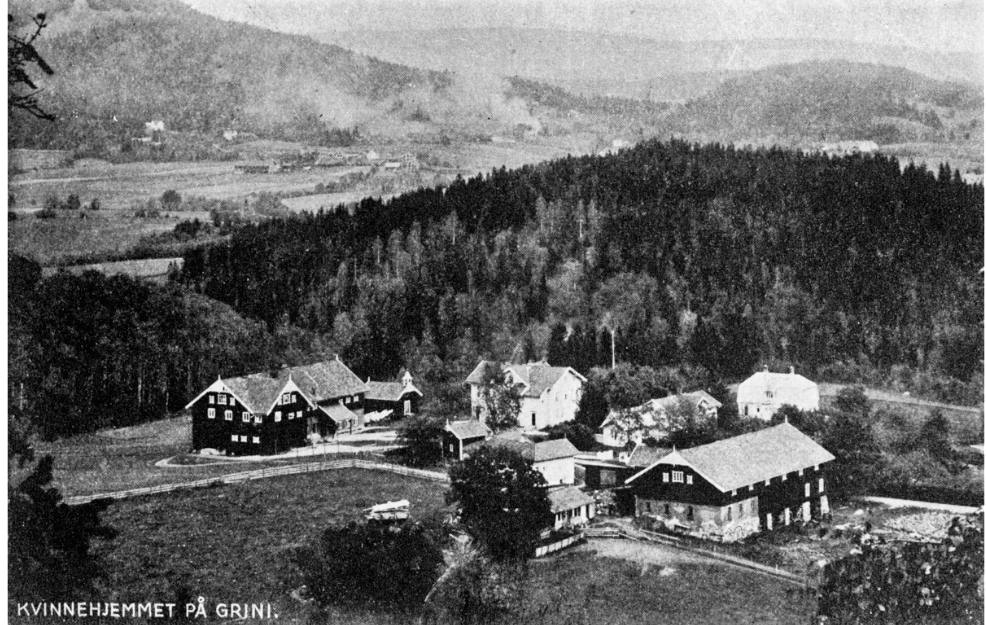

The Grini farm in Vestre Bærum was the closest neighbour to the Tokerud farm. In the 1600s, this farm was part of the Nesøy Estate, owned by Knut Franzen and the Krefting family, in line with Tokerud. The Grini farm was eventually split up into several farmsteads, and from the 1700s, ownership of these farmsteads largely remained in families, passing from one generation to the next.
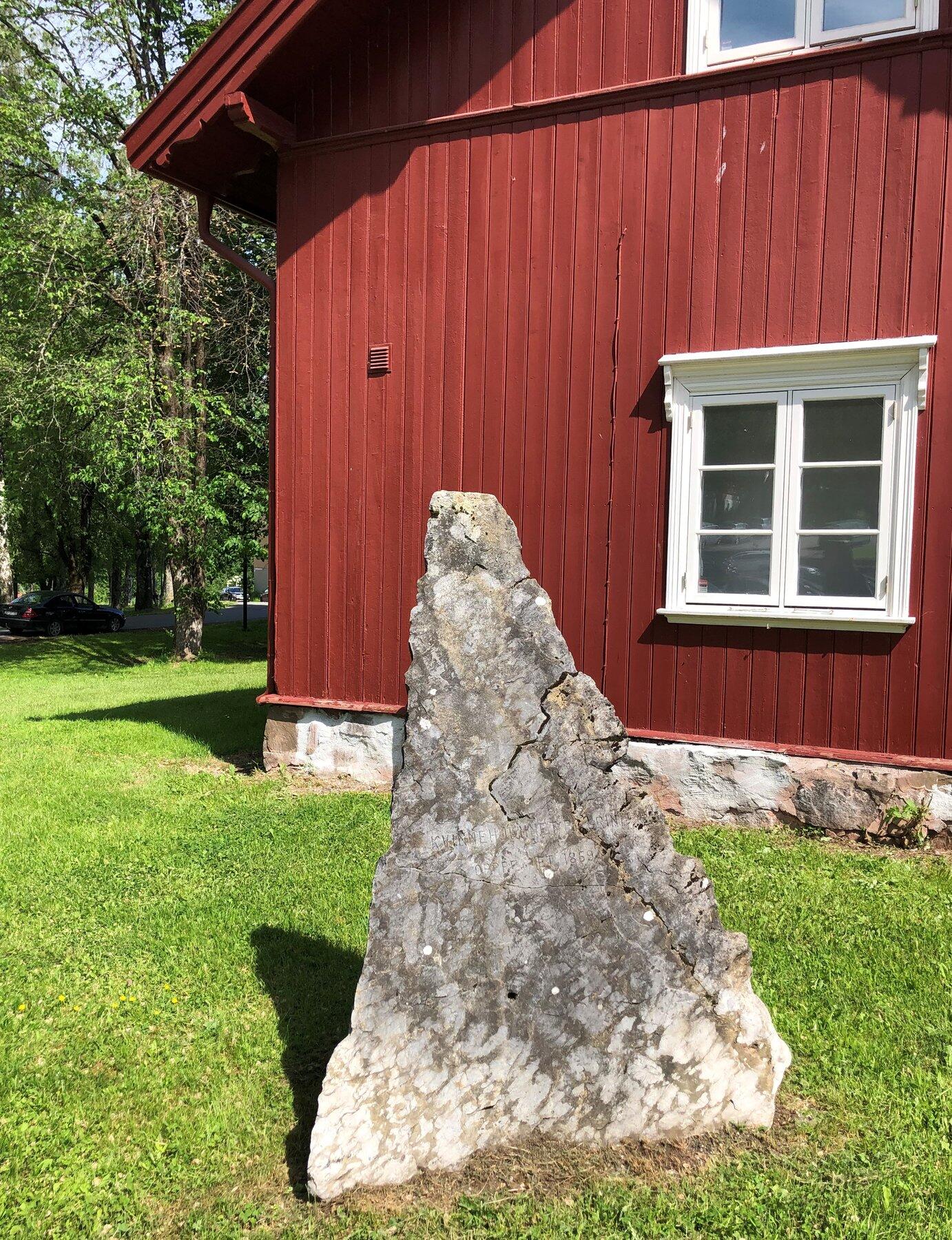
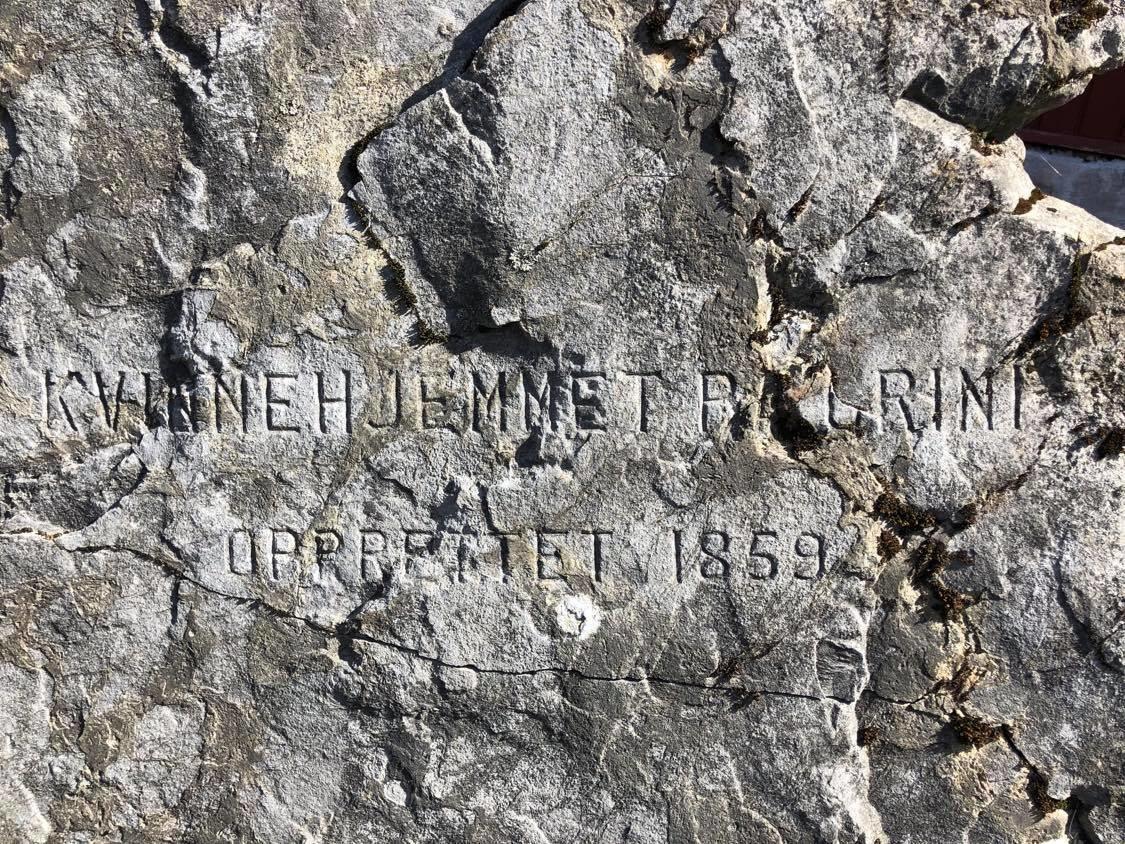
The foundation Magdalenastiftelsen bought Søndre Grini in 1899, moving its operations out of Christiania (Oslo). The foundation opened Kvinnehjemmet på Grini — the Grini women’s home — on 26 June 1900, continuing their operation of an institution for "fallen" women who wanted to lead a moral life. Approx. 3000 women made this institution their home from its founding in 1859 until 1946.
In 1946, the women’s home was acquired by the State and made part of Emma Hjorths Hjem (EHH). In the years immediately after World War II, the institution’s buildings were "patched up" and made habitable to some degree. The home’s recently appointed chief physician, Dr. Ole B. Munch, who was also a consultant to the State in matters concerning the mentally deficient, was, in addition to managing the operation of the home, also put in charge of preparing a national plan to promote better care for the mentally deficient.
War children
During and after World War II, there was much debate about what to do with children who had Norwegian mothers and German soldiers as fathers. This included both the children from the Lebensborn project and others. By 1946, most children had been placed in care, many with their own mothers/grandmothers, some had been sent to Germany, and others were adopted by families in Norway and Sweden. Some children, however, were difficult to place. The Godthåb rekreasjonshjem in Bærum, which was one of the places where these children were sent, still housed 21 children nobody wanted. They were all diagnosed as "mentally deficient" and transferred to EHH. The women’s home was expropriated by the State for this purpose. While the diagnosis may have been accurate for some of these children, not all of them had intellectual disabilities. One example is a boy who was just extremely cross-eyed. Unfortunately, there is limited information about what happened to some of the other children. Some were discharged relatively quickly, and some remained at EHH for a long time, until the institution closed in the 1990s.
Source: Emma Hjorth museum
The laundry at the Women’s home, year unknown.